
Each fall, a new cohort of seniors meets their most stressful semester yet: the fateful, future making, college application season. This year, after hearing horror stories from experiences of seniors’ past, I finally got to see for myself what it is like. To be quite honest, my experience of the process was not nerve-wracking, stressful, or horrifying. As friends complained about supplemental essays, deadlines, and application portals, I had little to add as my experience was relatively stress-free. Unfortunately for my peers, I have learned from my statistics class that I am an outlier in this population.
I have been fortunate in that I found the fall semester of senior year to be one of the easiest semesters in all of high school— even with applying to colleges, taking a college course, having a job and running clubs. I kept waiting for the stress to kick in and a horrifying experience to begin, it never did. In fact, the only anxiety I felt was secondhand from observing how worked up everyone else was—I was stressed that I was missing something.
The college process begins in junior year, when the college counselors (Mrs. Gibbons and Ms. Middleton) hold advisory lessons on the college process. As juniors, we learned about the Free Application for Federal Student Aid (FAFSA), the difference between test required, test optional, and test blind institutions, and private versus public colleges. Each student, typically accompanied by a parent over Zoom, met privately with their college counselor. In those sessions, students talked about their interests, options and devised a college list. Juniors completed a first draft of the personal statement required by colleges before the end of their 11th grade year; the counselors provided feedback on these essays over the summer.
Because of the college office’s comprehensive deadlines, by the time summer started, rising seniors already had the foundations for their applications prepared. I used this to my advantage—when I was not working in July and August last year, I was perfecting my college essay, filling out my Common Application general information, researching and visiting colleges. Not everyone was in the same boat. “I did not have time to do all that much, but I did study for the SAT,” says senior Rebecca Yevdayev, who spent the summer visiting her family abroad and soaking up the sun. Other rising seniors took a lax approach to the process over the summer months or they were preoccupied with work and family obligations, meaning they did not start their applications until the school year–and all their courses–began.
On the other end of the spectrum, some students hired private college counselors, even as early as the beginning of junior year. This made their application process accelerated but also easier. They had someone by their side, holding their hand during the entire process. Those who could not afford such outside assistance— which was the vast majority of the grade— were left to their own devices until meeting with their school college counselor. Yevdayev did not have the support of a private counselor, so she was “terrified at times” for the college application process to begin full speed when school started again, but “after the meeting with my counselor I was relaxed,” she related.

“Ms. Middleton is great because you can ask for an extra meeting and she will accommodate— I had three this year alone!” Yevdayev shines with glee as she explains. I have had a similar experience with Mrs. Gibbons, who sat with me for three meetings and an additional after school session, even offered an additional meeting to help decide where to go!
Perhaps this is unique to MBHS, because I have heard horror stories about the counselors in other schools. My twin sister who goes to Stuyvesant High School had yet to meet her college counselor because they have not helped her peers. Multiple of my friends from Brooklyn Technical High School have said that their college counselors tell them they likely will not get into college… they had plenty of extracurricular activities, good essays, and decent grades. Perhaps this difference is due to the ratio of students to counselors— MBHS has a college counselor student ratio of 1:85, Stuyvasent has a ratio of 1:160, almost double that of MBHS, Brooklyn Tech, however, has a college counselor to student ratio of a whopping 1:450! The specialized attention from MBHS college counselors is due to the relatively small caseload for the counselors.
I have heard peers complaining about the constant fighting with their parents as well, dinner table arguments, weekly sit-down quarrels, and some shouting matches. “Once I finished applying to colleges, I felt so much lighter— my parents and I stopped arguing over everything” a senior Jane Doe shared. Perhaps this is due to pushy parents, but the idea of feeling lighter seems to be universal for all the people I have spoken to, whether they applied Early Decision, Early Action, or Regular Decision.
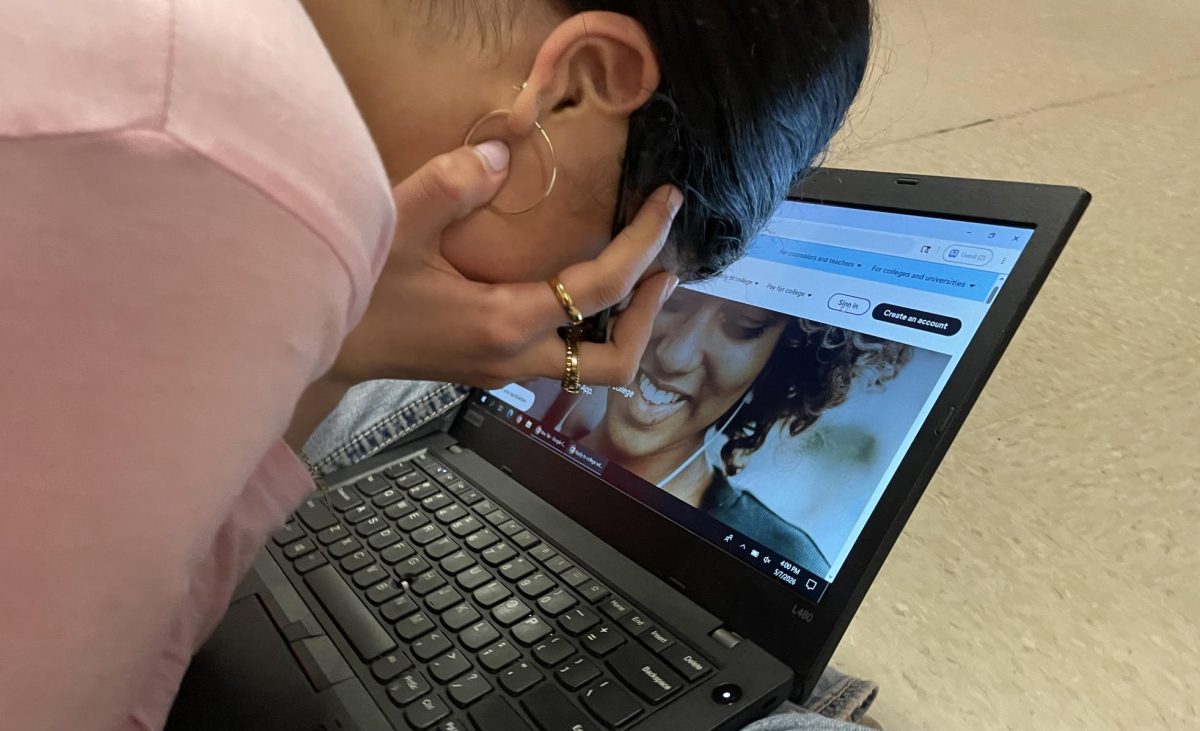
Contrary to the name, the application process did not end once we submitted all of our applications. Students have to create portals and check them every few days for updates. Some schools had additional materials to submit through the portal, which complicated everything even more.
But the most exciting part is receiving decisions. Whether the school you got accepted to was a safety or reach, you know that you are going to college once you get the first acceptance. Some schools came out as early as November while others have taken their time and waited for April. This is where I felt stressed. I applied to 18 schools, and I got accepted to most of them. While this is great and gave me choices, it was a little too many choices. Choosing which one I would go to was hard because I did not have a top choice. Despite this, I made a decision, and so did everyone else.